Allied Ophthalmic Paramedical Professionals are critically required in India’s eye healthcare sector due to a combination of high disease burden, workforce gaps, and growing demand for quality eye care.
India accounts for a large share of global visual impairment caused by cataract, refractive errors, diabetic retinopathy, and glaucoma. Trained allied professionals are essential for screening, early detection, vision testing, and follow-up care.
There is a significant gap between the demand and availability of ophthalmologists, especially in rural and underserved areas. Allied ophthalmic professionals support doctors by managing OPD services, diagnostics, refraction, OT assistance, and patient counselling, improving efficiency and reach.
With the rapid growth of Eye hospitals, Vision centers, NGOs, Outreach Programs, and Mobile Eye Units, skilled paramedical professionals are needed to ensure smooth operations, quality standards, and patient safety.
Government and NGO-led initiatives focus on preventive eye care, school screening, and community outreach. Allied professionals are the backbone of these programs, connecting communities to timely and affordable eye care services.
Allied ophthalmic paramedical professionals make eye care cost-effective and scalable, helping deliver high-quality services to India’s large population while supporting national goals to reduce avoidable blindness.
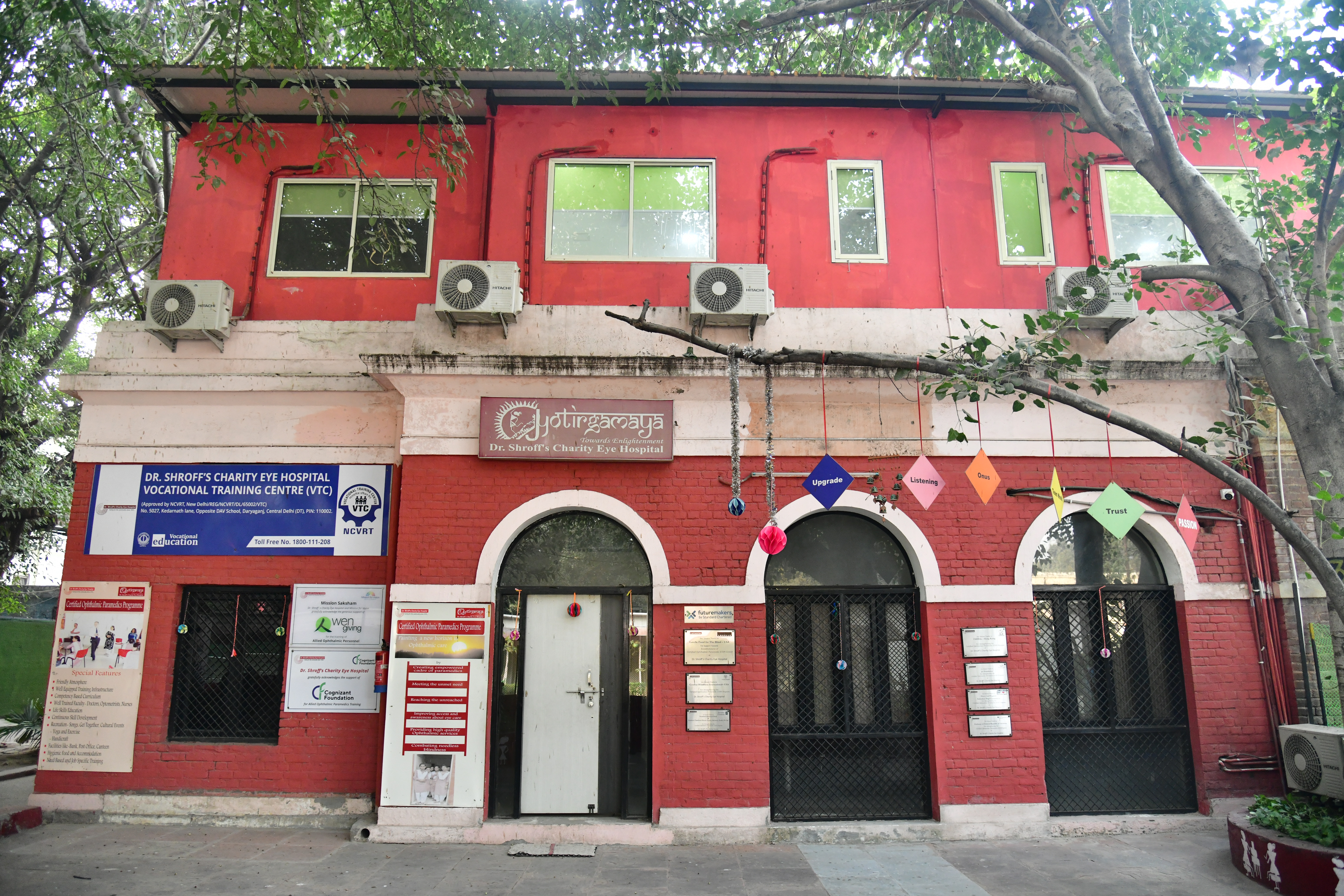
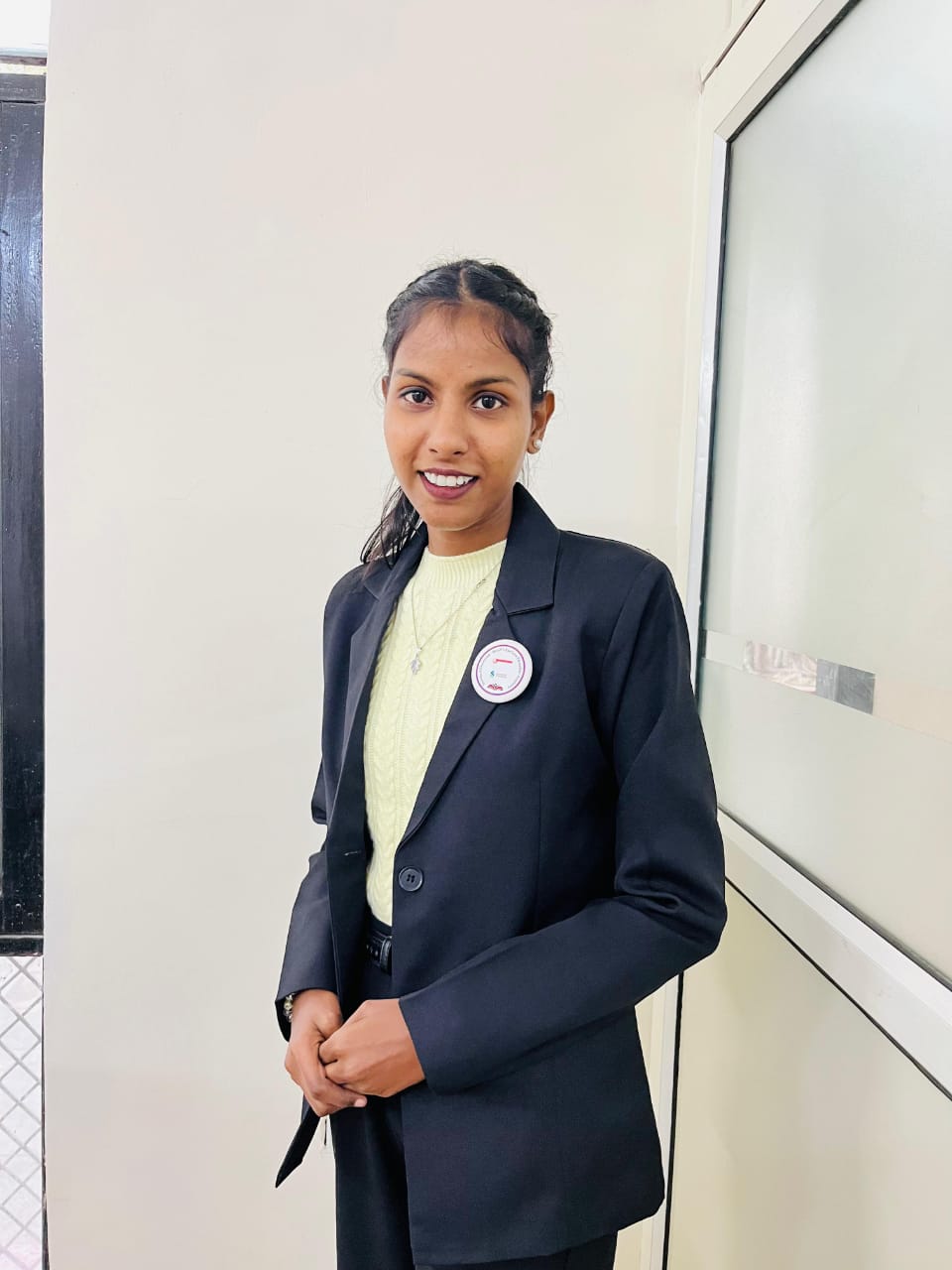
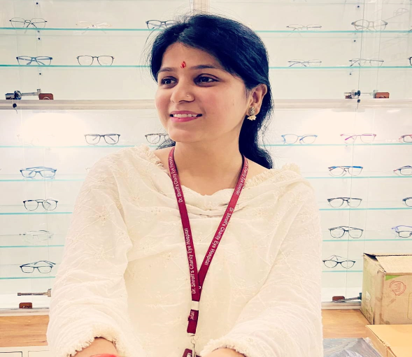
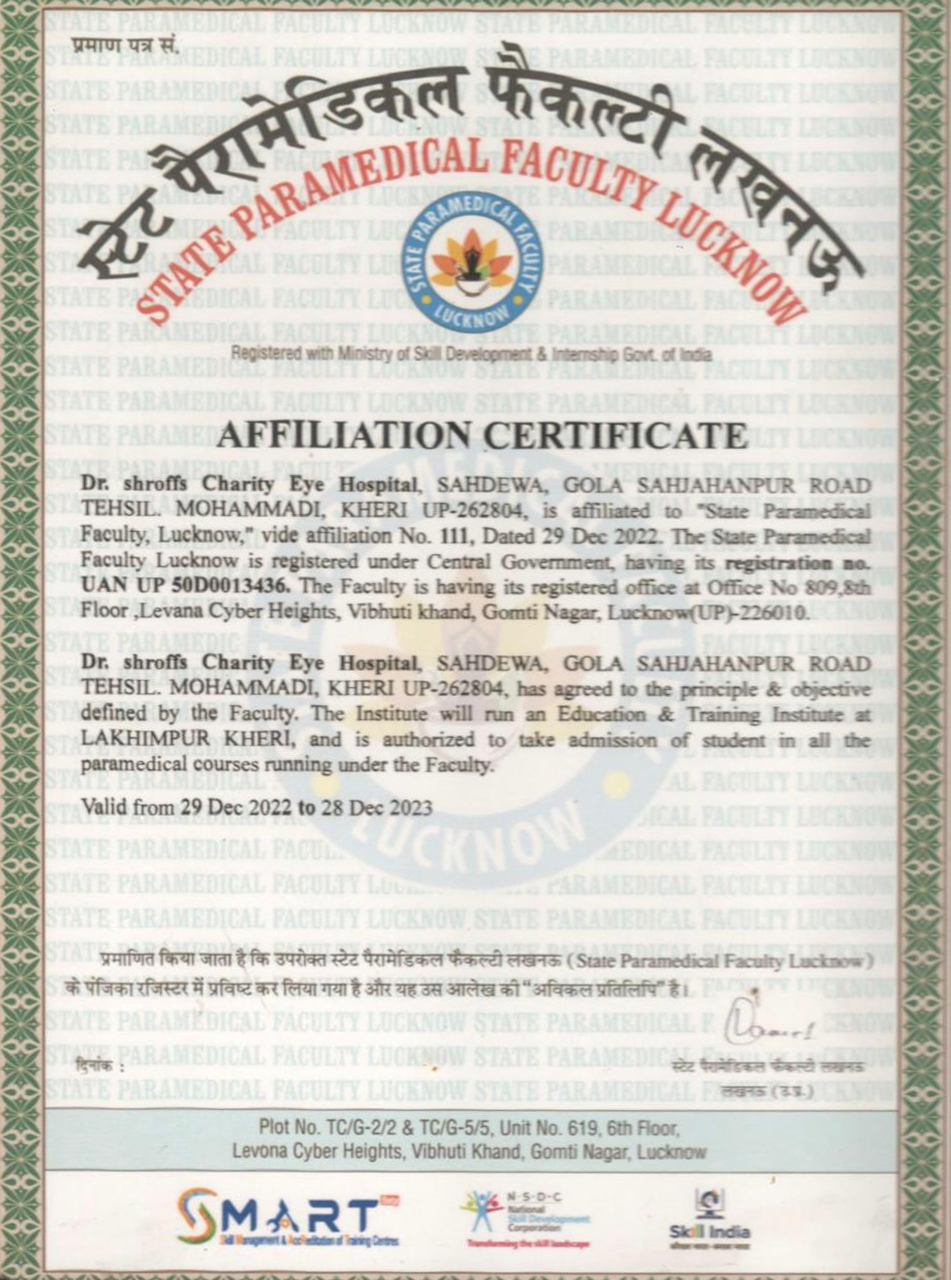
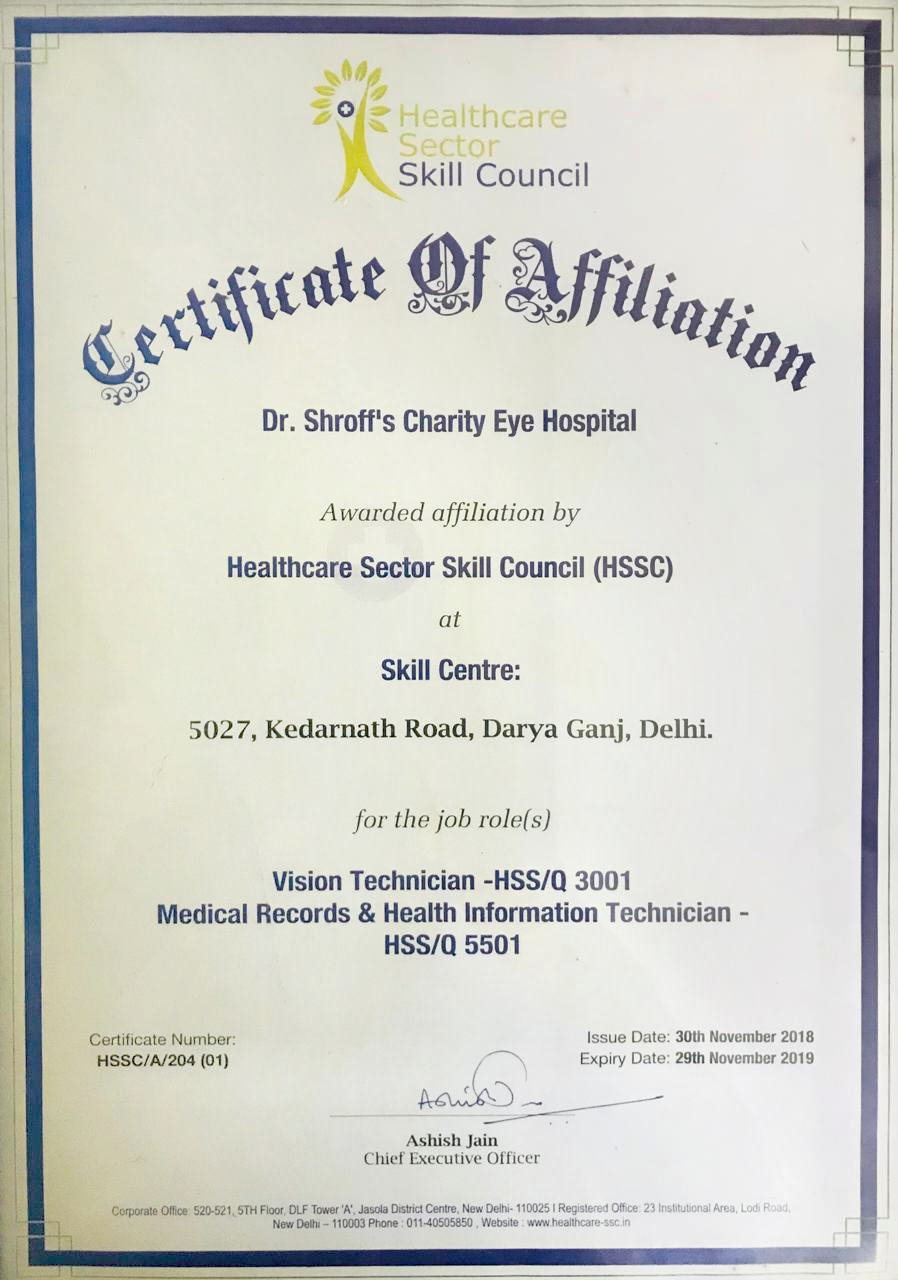
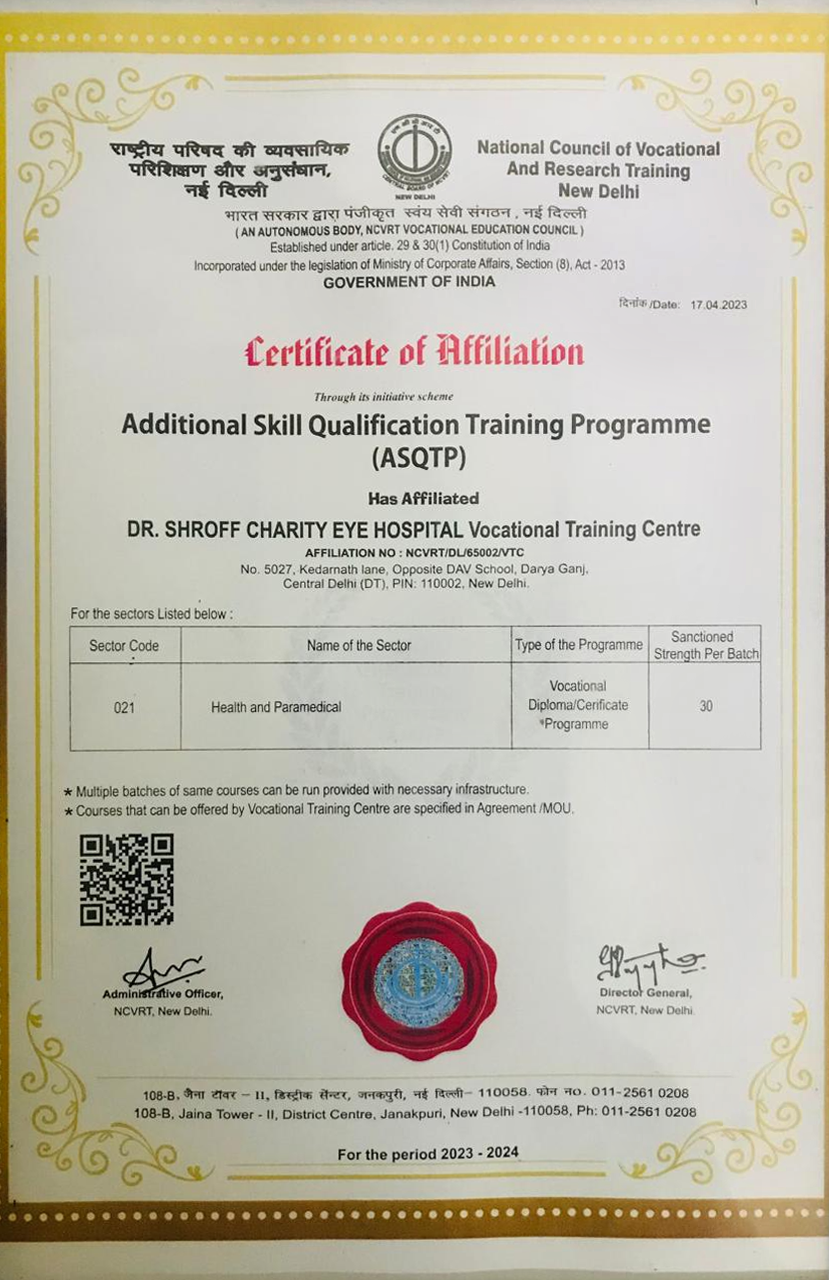
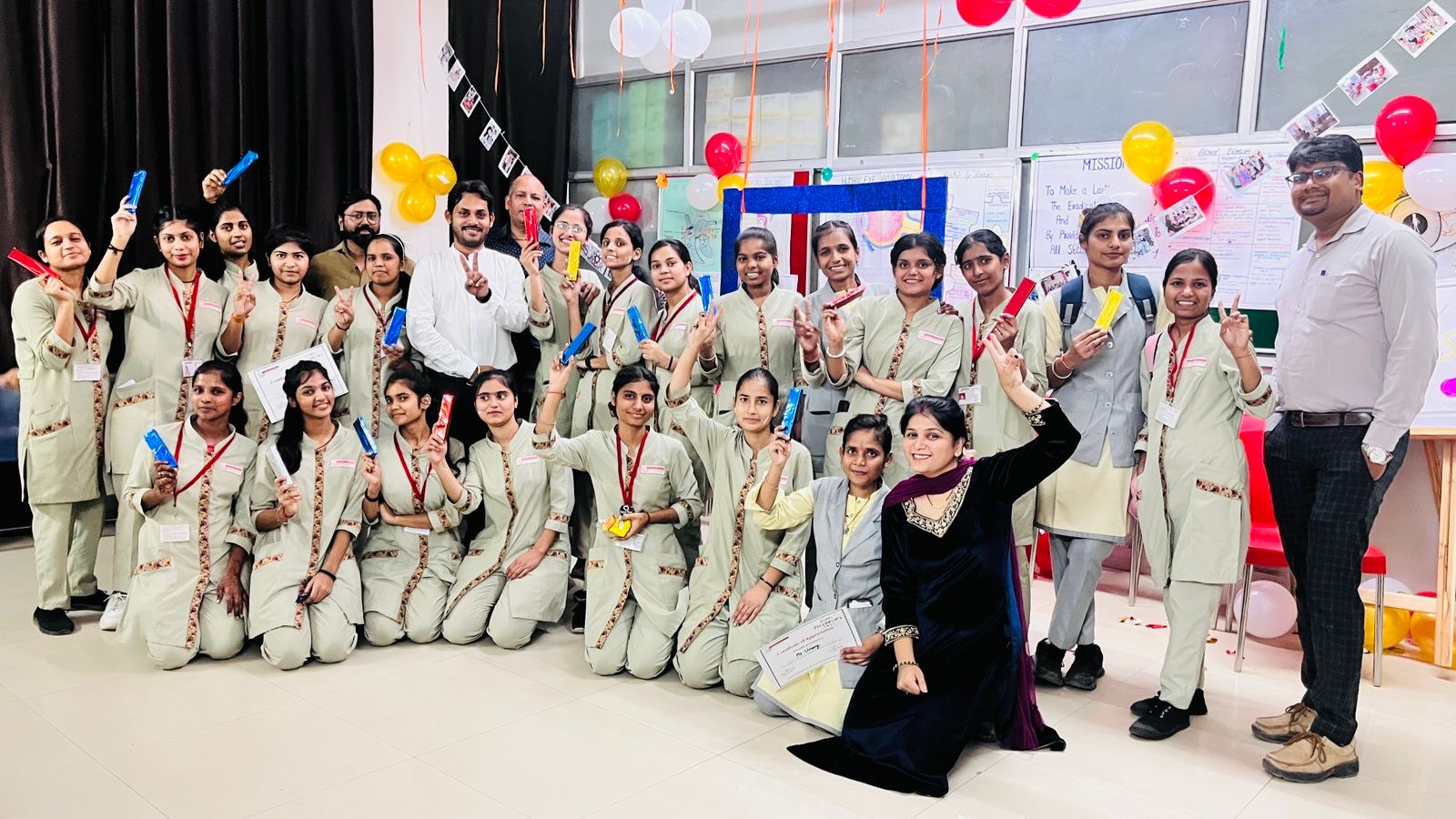
At Dr Shroff’s Charitable Eye Hospital, the Allied Ophthalmic Paramedic (AOP) Program is a transformative initiative designed to empower young women by creating sustainable and dignified career pathways in the eye-care sector. Rooted in equity and inclusion, the program specifically supports women aged 18–21 years from low-income households, underserved communities, school dropouts, and those unable to access formal professional education.
Our mission is to unlock potential, build professional competence, and enable financial independence, thereby contributing to both individual empowerment and a stronger eye-care workforce.
The program offers structured, real-world exposure to core hospital operations, equipping students with practical skills essential for modern ophthalmic care. Training includes:
1. OPD and ward/floor management
2. Patient handling, communication, and counselling for procedures and surgeries
3. Operation Theatre assistance, including supporting surgeons during ophthalmic surgeries
4. Refraction and vision assessment support
This immersive approach ensures students graduate with confidence, competence, and job readiness for clinical environments.
The AOP program follows a Hub & SPOKE model, strengthened by a hybrid training approach that integrates classroom instruction, digital learning platforms, and supervised hands-on practice.
Students benefit from:
1. State-of-the-art classrooms and digital learning tools
2. Dedicated skills labs that replicate real hospital settings
3. An industry-oriented curriculum aligned with current healthcare standards
4. Competency-based assessments and examinations to ensure measurable skill acquisition
Learning extends beyond technical skills. The program emphasizes holistic growth through:
1. Role plays and live demonstrations
2. Mentorship and guided clinical exposure
3. Cultural activities and celebrations that foster confidence, teamwork, and discipline
4. Continuous upskilling to keep pace with evolving healthcare practices
This ensures consistent, standardized, and self-paced learning.
1. Digital learning is an integral component of the AOP program.
2. Smart boards and multimedia presentations
3. Learning Management System (LMS) for content delivery
4. Recorded lectures for revision and reinforcement
5. Online assessments and feedback mechanisms
6. Access to digital libraries and reference resources
The AOP curriculum is designed in alignment with current industry needs and healthcare delivery models.
Key focus areas include:
1. Clinical ophthalmic skills
2. Patient care and counselling
3. Ethics and professional conduct
4. Community eye health and outreach
5. Hospital systems and teamwork
The curriculum is reviewed periodically to incorporate emerging technologies and best practices.
This approach ensures graduates demonstrate measurable clinical and professional competencies.
1. Assessment is competency-driven and outcome-oriented.
2. Continuous formative assessments
3. Objective Structured Clinical Examinations (OSCEs)
4. Practical skill demonstrations
5. Workplace-based assessments
6. Summative evaluations linked to learning outcomes
Through structured training, mentorship, and hands-on learning, Dr Shroff’s Allied Ophthalmic Paramedic Program is shaping skilled, compassionate eye-care professionals. More importantly, it is enabling young women to envision—and achieve—a future defined by opportunity, independence, and purpose.
Learn MoreTo create a cadre of skilled, proficient and empowered eye-care paramedics for strengthening Ophthalmic service delivery
To empower the young women from bottom of pyramid
"Where Knowledge, Skills, Ethics, and Discipline Shape Healthcare Leaders"

Lecture cum discussion is a teaching method that combines a structured lecture with interactive discussion. The teacher presents key concepts, then engages students in dialogue to deepen understanding. This approach promotes active learning, critical thinking, and student participation, making the learning experience more dynamic and collaborative.
This is very essential components of our COP Training, enhancing clinical skills through simulated patient interactions. This method helps trainees practice communication, diagnostic techniques, and patient care procedures in a controlled setting, building confidence and competence .
Video and audio-based learning enhances understanding for Allied Ophthalmic Paramedical students by providing visual demonstrations and clear explanations. It supports retention, simplifies complex procedures, and allows flexible, self-paced study. This method is especially useful for mastering clinical skills, surgical techniques.

Hands-on training is a practical learning method where COP’s actively engage in real practical learning in live hospitals patient under supervision of Senior Medical Staff. It enhances skills through direct experience, allowing learners to apply theoretical knowledge in real-world scenarios. This approach improves retention, builds confidence.
"Transforming Lives Through the AOP Program "
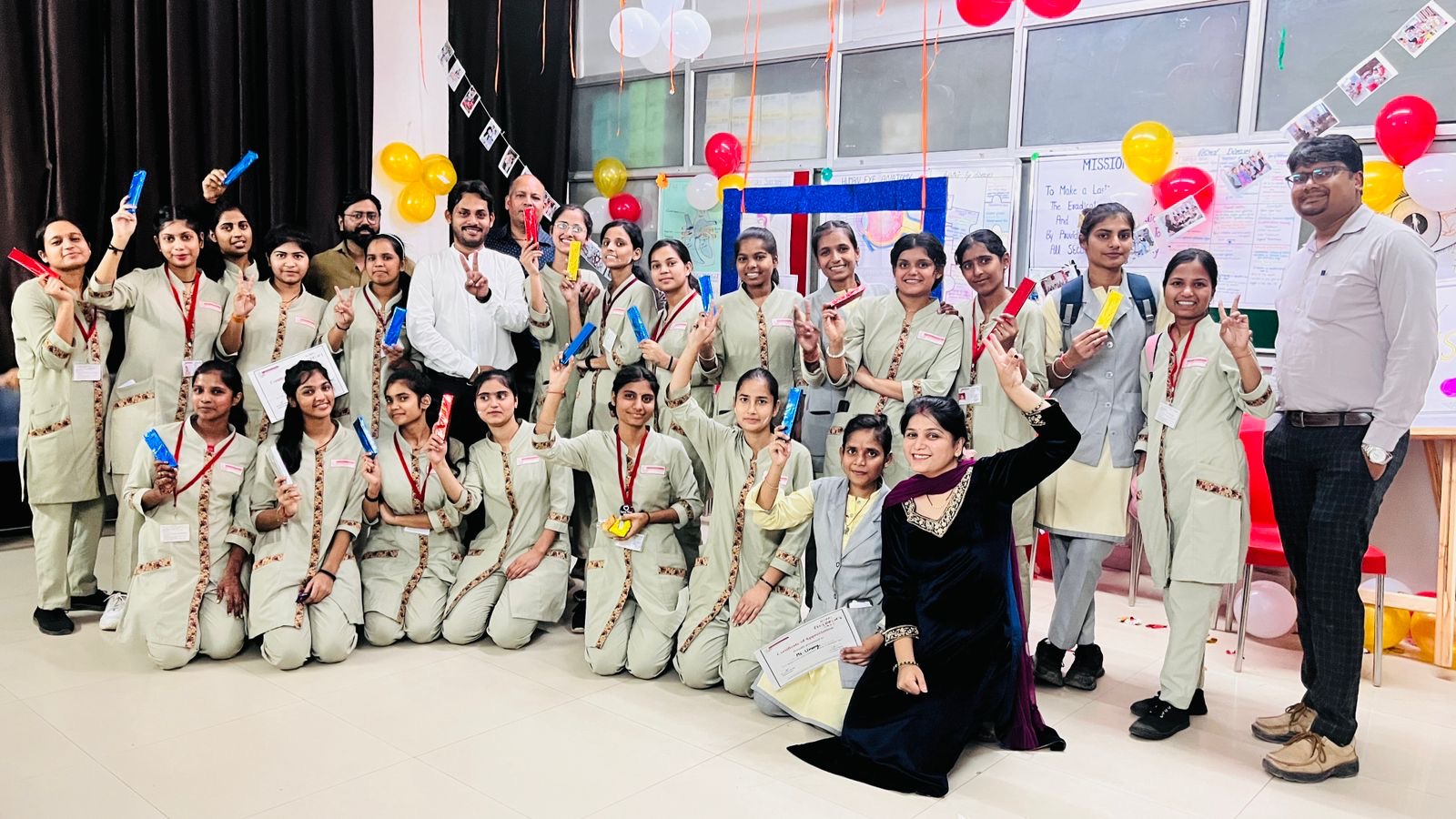
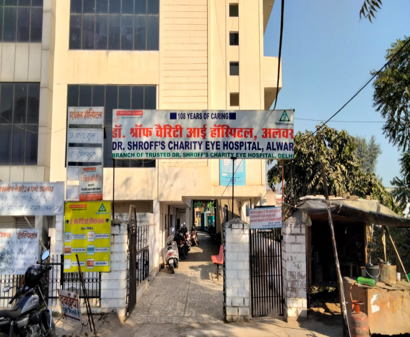
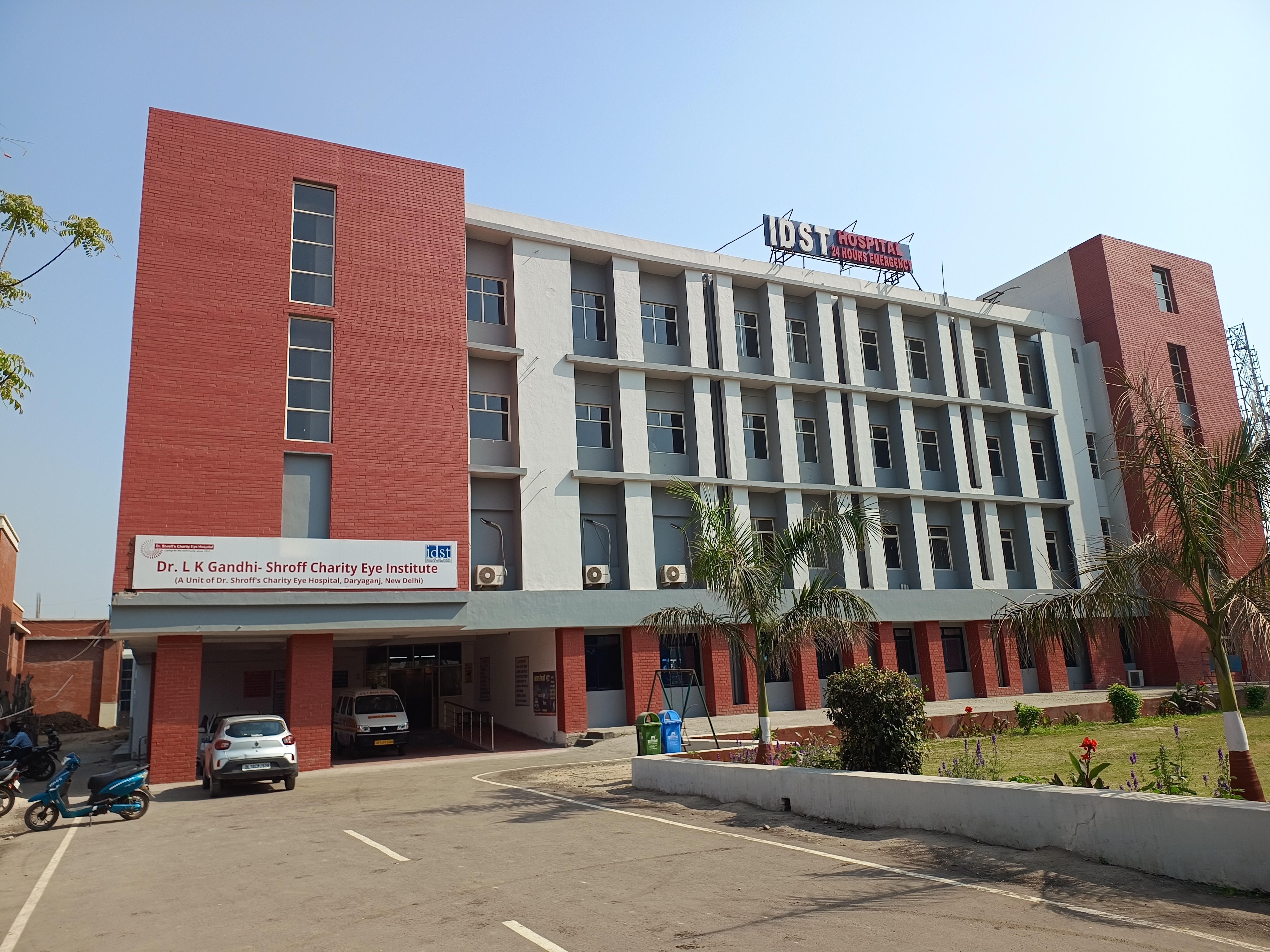
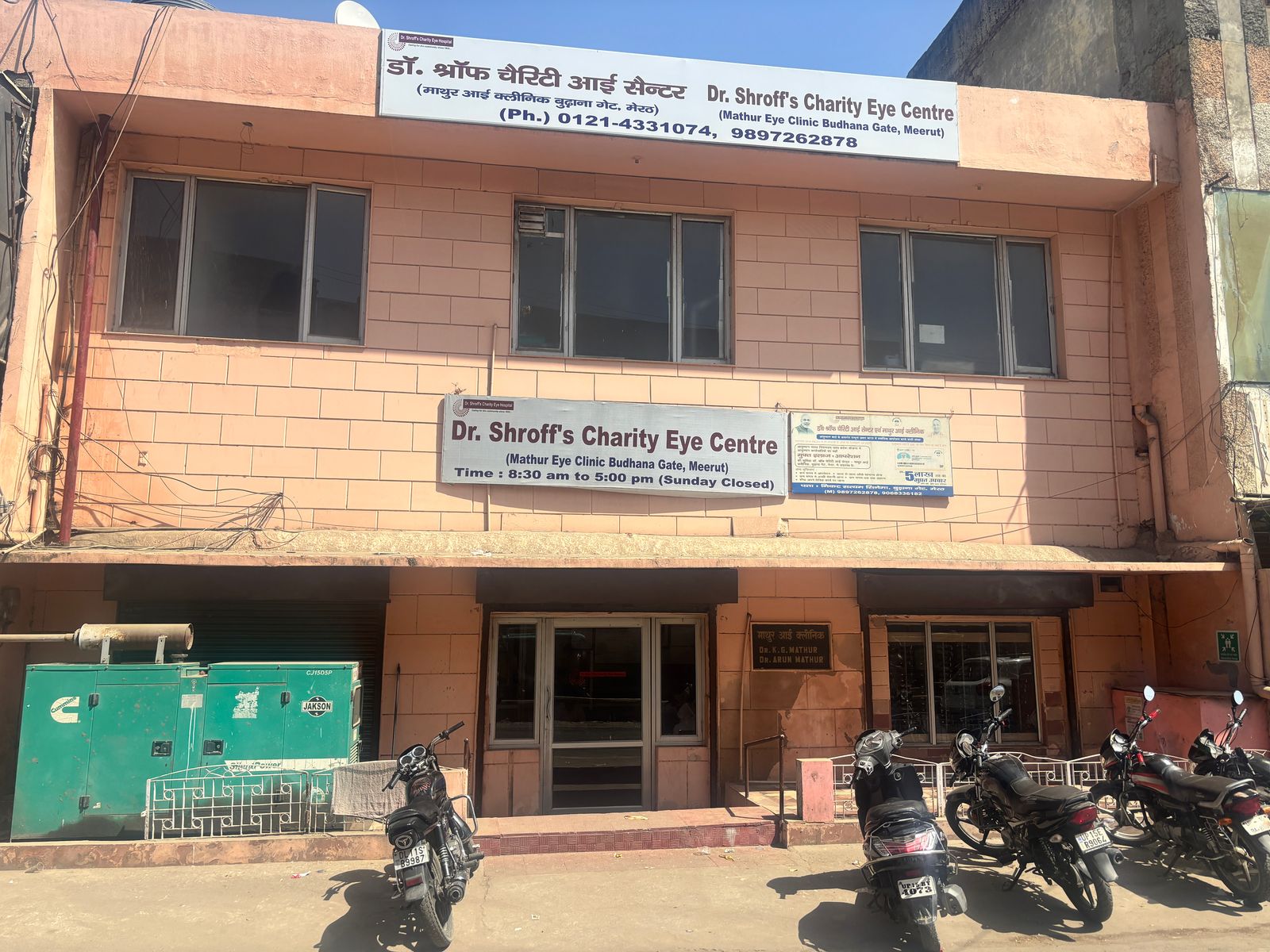
“Diverse Healthcare Experience, One Vision to Shape Skilled AOP Professionals in Eye Healthcare”
We take pride in maintaining the highest standards of quality, reliability, and innovation in our offerings